
Cognitive Performance in Athletes: Long-Term Brain Protection
CONKA · 22 Oct 2026 · 6 min read

What is cognitive performance? Cognitive performance is the measurable capacity of the brain to process information, sustain attention, make decisions, and retrieve memory under real-world conditions. For athletes, it is not a background concern but a competitive variable that compounds across every season of a career.
Fourteen years in the NFL. A decade of elite rugby. Thousands of hours of high-contact training. The physical toll of professional sport is well documented. The cumulative cognitive toll is not talked about nearly enough.
The Cognitive Load Athletes Rarely Account For
Training load does not just exhaust muscle. It exhausts the brain.
Repeated sub-concussive impacts, chronic sleep disruption, cortisol elevation from competition stress, and nutritional depletion across long seasons create conditions that quietly erode cognitive performance. Word-finding slows. Reaction time drifts. Decision-making under fatigue degrades.
These are not dramatic symptoms. They are the kind of subtle shifts that coaches and athletes put down to tiredness, not to a brain operating under cumulative physiological strain.
Why Contact Sport Creates a Specific Cognitive Risk
The research on contact sport and brain health has moved from fringe concern to urgent clinical question.
Sub-concussive impacts, the kind that never register as a clinical injury, accumulate across careers in rugby, American football, boxing, and combat sports. The effect is not always visible on a scan, but it shows up in cognitive tests. Attention narrows. Processing speed slows. Memory retrieval becomes unreliable.
This is precisely why CONKA was founded. Humphrey Bodington's own concussion pushed him into six years of neuroscience research, building a formulation now backed by clinical trials with Durham University and Cambridge University. The result: 914 cognitive tests conducted, and an 18.1% performance advantage over caffeine recorded in trials.
What the Research Says About Key Nutrients
Vitamins for brain fog and memory boosting supplements have become a crowded conversation. Most of it lacks rigour. The ingredients worth examining are the ones with peer-reviewed data in athletic and cognitively demanding populations.
Alpha-glycerylphosphorylcholine (Alpha GPC) is the most studied choline source for cognitive and physical performance. Alpha GPC has been studied extensively for its effects on cognition and neuromuscular performance -- see the full research summary on Examine.com. A 2024 study in Nutrients found that high-dose Alpha GPC supplementation significantly improved cognitive performance, particularly in tasks requiring attention and processing speed, in resistance-trained males.[1] A separate trial found improvements in isometric mid-thigh pull peak force compared to placebo, suggesting Alpha GPC supports the neuromuscular system alongside cognition.[2]
Ginkgo Biloba, one of the most clinically examined botanical compounds, has been shown to increase exercise-induced BDNF production alongside improved antioxidant capacity in athletes.[3] Ginkgo Biloba has been studied extensively for its effects on cognitive function and neuroprotection -- see the full research summary on Examine.com. Brain-derived neurotrophic factor matters because it supports the maintenance and adaptation of neurons, exactly the kind of neuroprotective activity a contact sport athlete needs across a long career.
Ashwagandha modulates the hypothalamic-pituitary-adrenal axis, which governs the body's cortisol response to competition and training stress. Ashwagandha has been studied extensively for its effects on stress, cortisol regulation, and cognitive resilience -- see the full research summary on Examine.com. Chronic cortisol elevation is one of the primary mechanisms through which sustained competitive stress degrades long-term cognitive function.
Ginkgo Biloba and Alpha GPC are both present in [CONKA Clear](https://conka.io/ingredients), the afternoon shot formulated for the moments that demand composure and clarity.
Lifestyle Strategy is Not Optional
Supplements are one layer of a broader architecture. No brain fog remedy works in isolation from sleep, nutrition, and recovery.
For athletes specifically, the research points to four compounding factors that accelerate cognitive decline across a career: chronic sleep restriction below seven hours, dehydration during training, alcohol intake suppressing REM sleep, and dietary patterns that are calorie-sufficient but micronutrient-poor.
The athletes who build the highest-performing careers treat cognitive maintenance with the same discipline as physical conditioning. The problem is that cognitive metrics are harder to see on a training screen.
Menopause and Female Athletes: An Overlooked Dimension
Best supplements for menopause brain fog has become one of the fastest-growing search categories in brain health. That signals a gap.
Female athletes navigating perimenopause and menopause face a convergence of hormonal change and training load that creates accelerated cognitive stress. Oestrogen withdrawal reduces cholinergic signalling, which is exactly the pathway that Alpha GPC supports. The nutritional strategy that protects cognitive performance in high-load sport is therefore especially relevant to this population, not as a medical treatment but as a maintenance approach grounded in the same evidence base.
How Elite Sport Already Uses This Evidence
CONKA is currently used by over 50 elite sports clubs, including NFL teams, England Rugby, and Premier League clubs. These organisations do not adopt supplementation protocols without scrutiny. The Informed Sport certification on every CONKA batch means it is independently tested and safe for athletes subject to anti-doping rules, sitting alongside the UK patent GB2620279 on the formulation itself.
The CONKA ingredients page details the full spectrum formula behind both shots.
Brain Fog Remedies That Have Evidence Behind Them
The brain fog remedies marketed to athletes range from the reasonable to the fraudulent. The shortlist that passes scrutiny includes:
Consistent sleep architecture above seven hours. Dietary choline from eggs, liver, and supplemental Alpha GPC. Management of training-induced oxidative stress through antioxidant compounds. Ashwagandha for HPA-axis regulation under sustained competitive pressure. Ginkgo Biloba for BDNF support in training populations.
These are not wellness suggestions. They are mechanisms with published evidence, and they are the foundation of the approach taken at CONKA.
Frequently Asked Questions
Q: What vitamins help with brain fog in athletes?
A: Alpha GPC supports cholinergic signalling and has been shown in trials to improve attention and processing speed in resistance-trained individuals. Ginkgo Biloba supports BDNF production during exercise. Vitamin B12 and Vitamin C are also critical for neurological function and oxidative stress management in high-training populations.
Q: Can training load cause long-term cognitive decline?
A: Chronic training load, particularly in contact sports, creates cumulative sub-concussive stress, elevated cortisol, and nutritional depletion. These factors compound across a career and have been associated with measurable reductions in processing speed, attention, and memory retrieval in retired professional athletes.
Q: What are the best supplements for menopause brain fog?
A: Alpha GPC is particularly relevant because oestrogen withdrawal reduces cholinergic signalling, which Alpha GPC directly supports. Ginkgo Biloba and Ashwagandha are also evidence-backed options for attention, memory, and stress-related cognitive disruption during hormonal transition. Always choose Informed Sport certified products if you compete.
Q: Are memory boosting supplements safe for professional athletes?
A: Only if they carry third-party batch testing certification. Informed Sport certification is the recognised standard in professional sport. It confirms every batch has been tested for prohibited substances. CONKA holds Informed Sport certification, making it suitable for athletes at all levels subject to anti-doping regulations.
Q: How long does it take for brain supplements to work?
A: Alpha GPC has demonstrated acute effects in single-dose trials on attention and processing speed. Adaptogens like Ashwagandha show cumulative effects over four to eight weeks of consistent use. Most robust clinical trials measure outcomes at six to twelve weeks. Consistency matters more than dose in the short term.
References
- Kerksick. "Acute Alpha-Glycerylphosphorylcholine Supplementation Enhances Cognitive Performance in Healthy Men." Nutrients. 2024. (source)
- Bellar et al. "The effect of 6 days of alpha glycerylphosphorylcholine on isometric strength." J Int Soc Sports Nutr. 2015. (source)
- Sadowska-Krępa, E. et al. "Effects of Six-Week Ginkgo biloba Supplementation on Aerobic Performance, Blood Pro/Antioxidant Balance, and Serum Brain-Derived Neurotrophic Factor in Physically Active Men." Nutrients. 2017. (source)
More reading

Cognitive Performance: How Athletes Protect Their Brains
Cognitive performance declines under training load, contact sport and competition stress. Here is what the evidence says about protecting your mental edge across a career.
21 Oct 2026
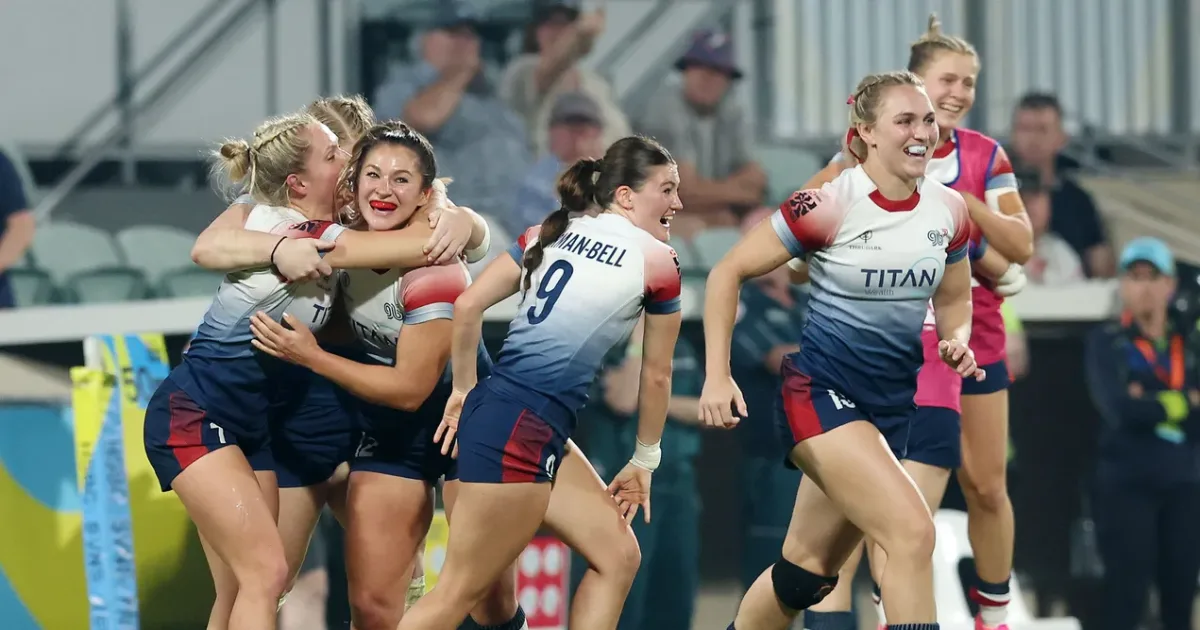
Cognitive Performance and Injury Risk: What We Found
Does lower cognitive performance increase injury risk? CONKA's founder shares data from GB Rugby Sevens trials, including a striking link between brain scores and injury timing. Read the findings.
21 Oct 2026

How CONKA Ended Up Inside Nike Mind at Oxford Circus
CONKA brain shots ended up inside Nike's Oxford Circus store after boxer Moses Itauma started using them in training camp. Here is how it happened.
19 Oct 2026